
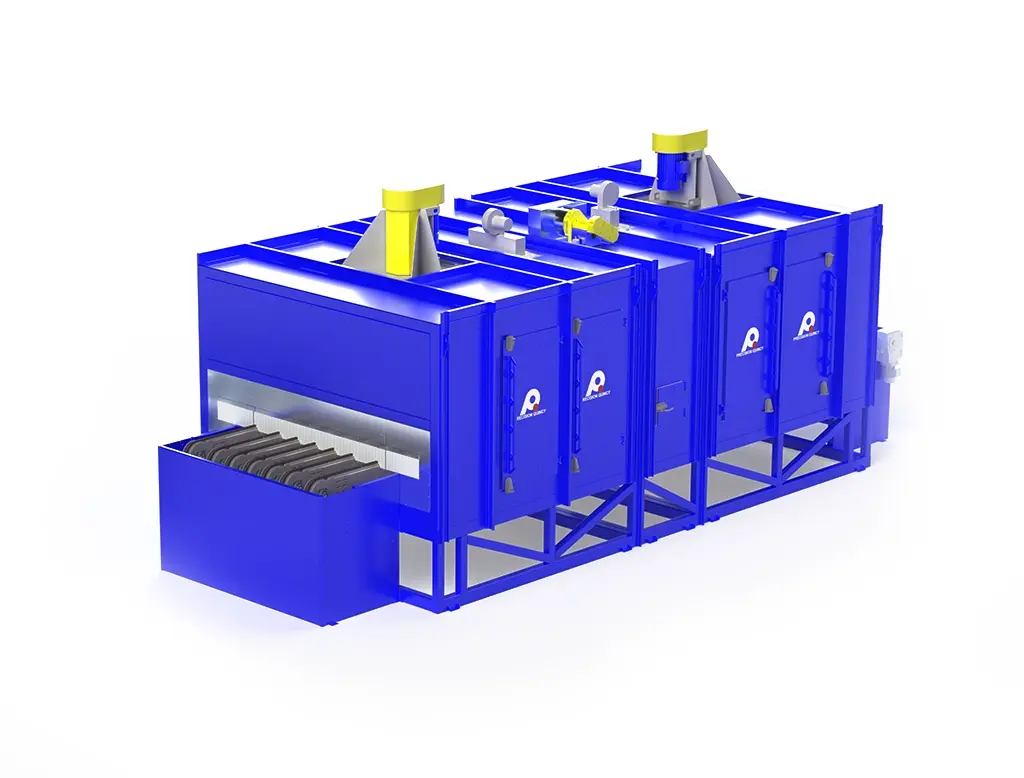
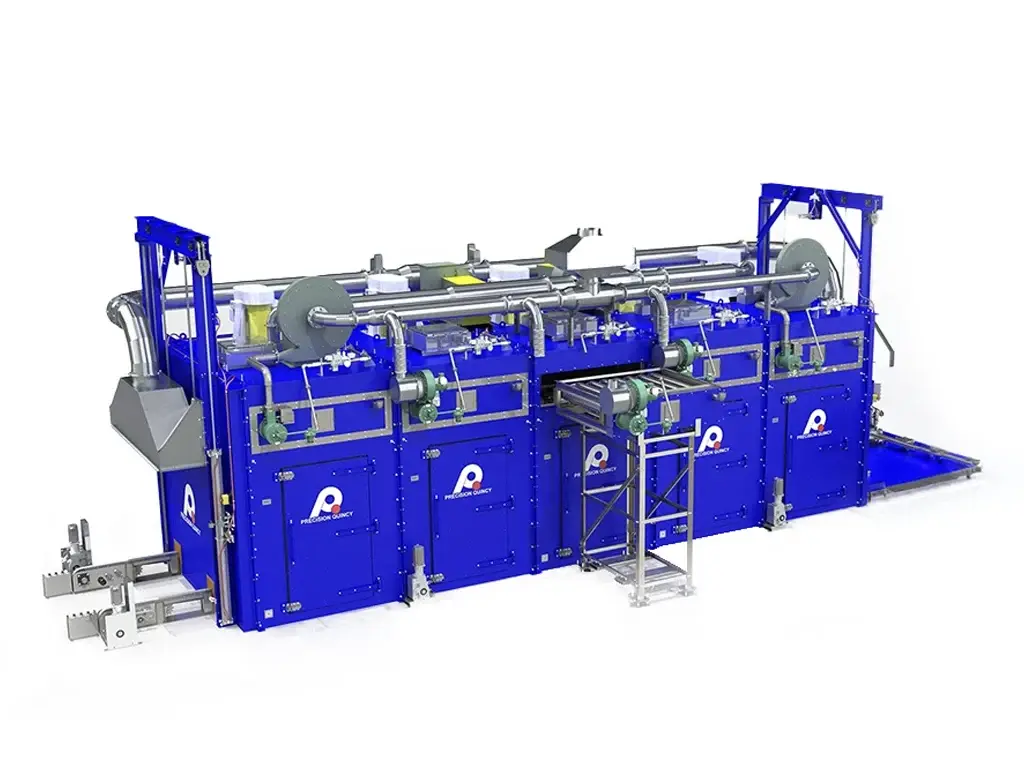
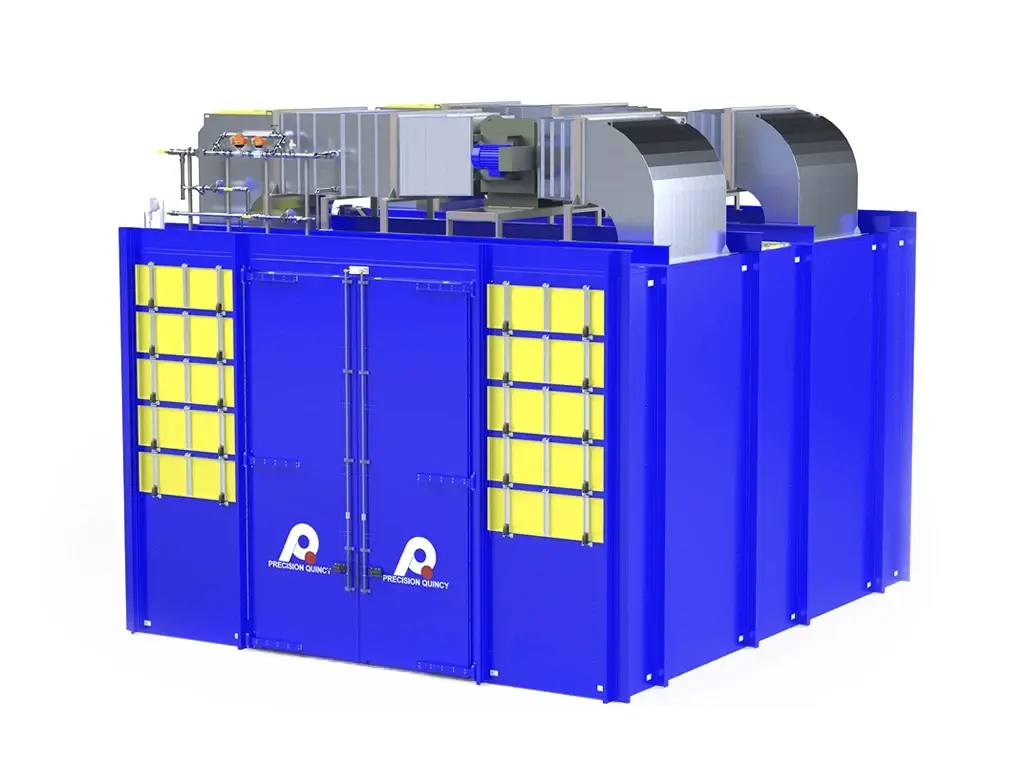
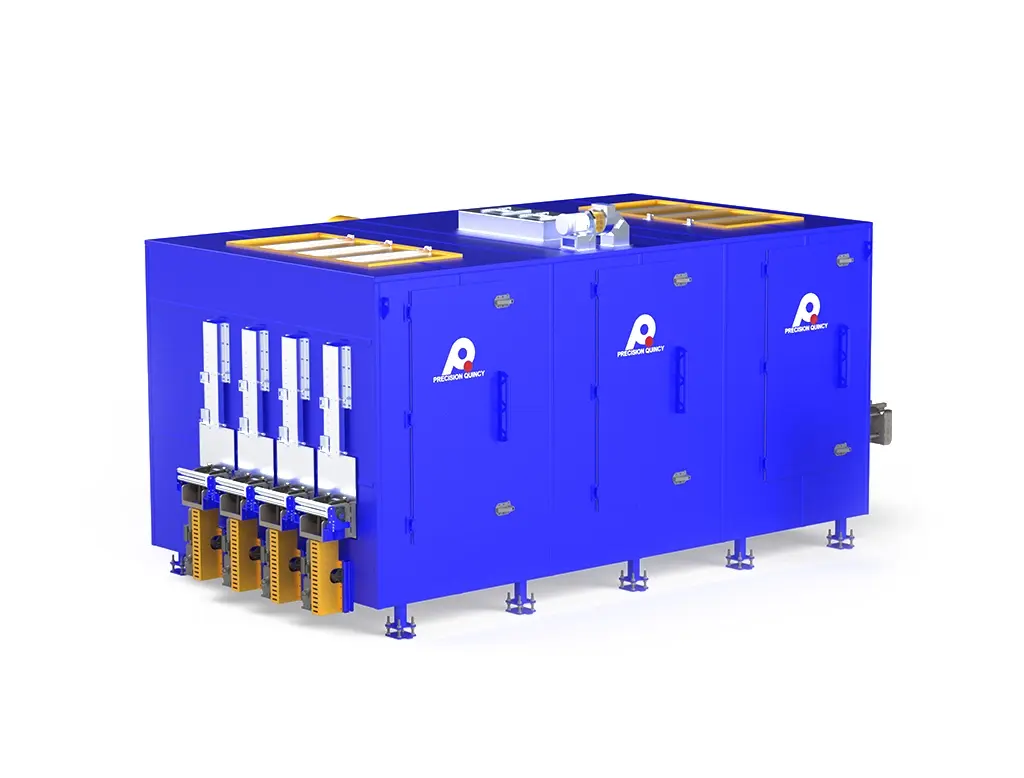
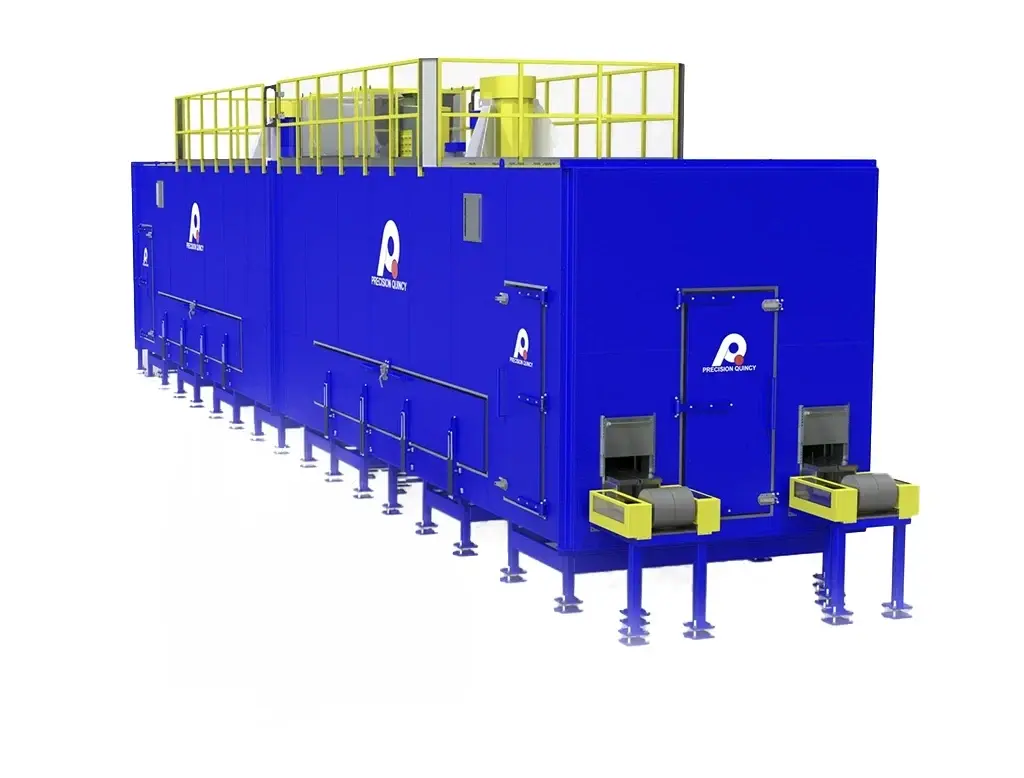
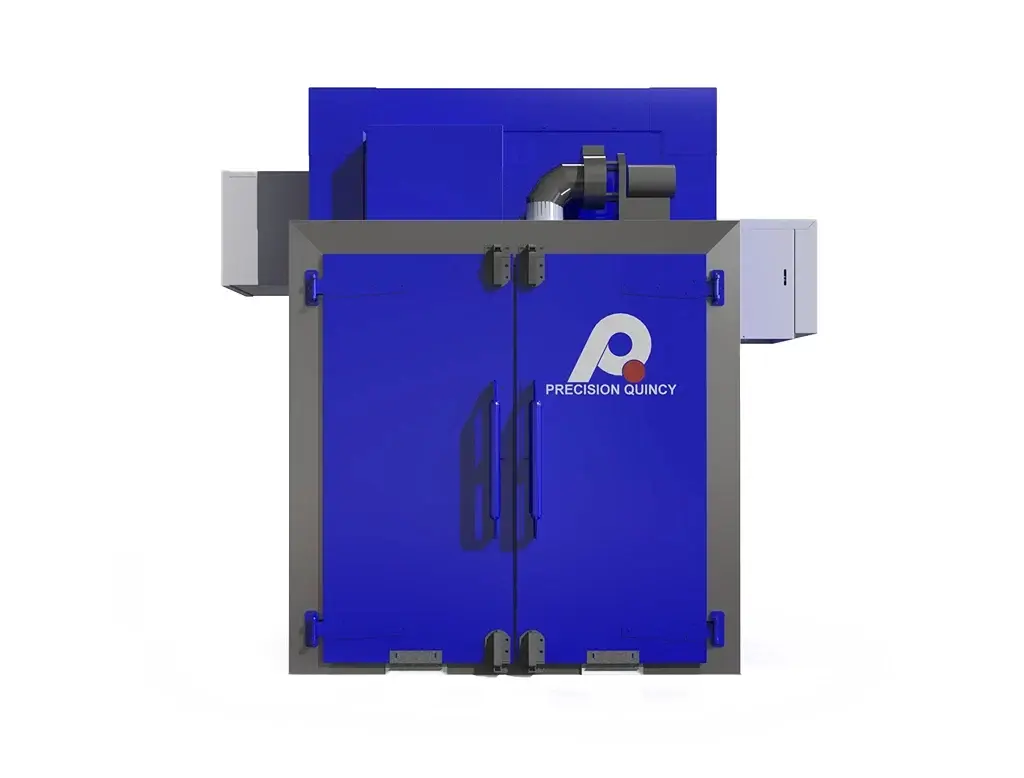
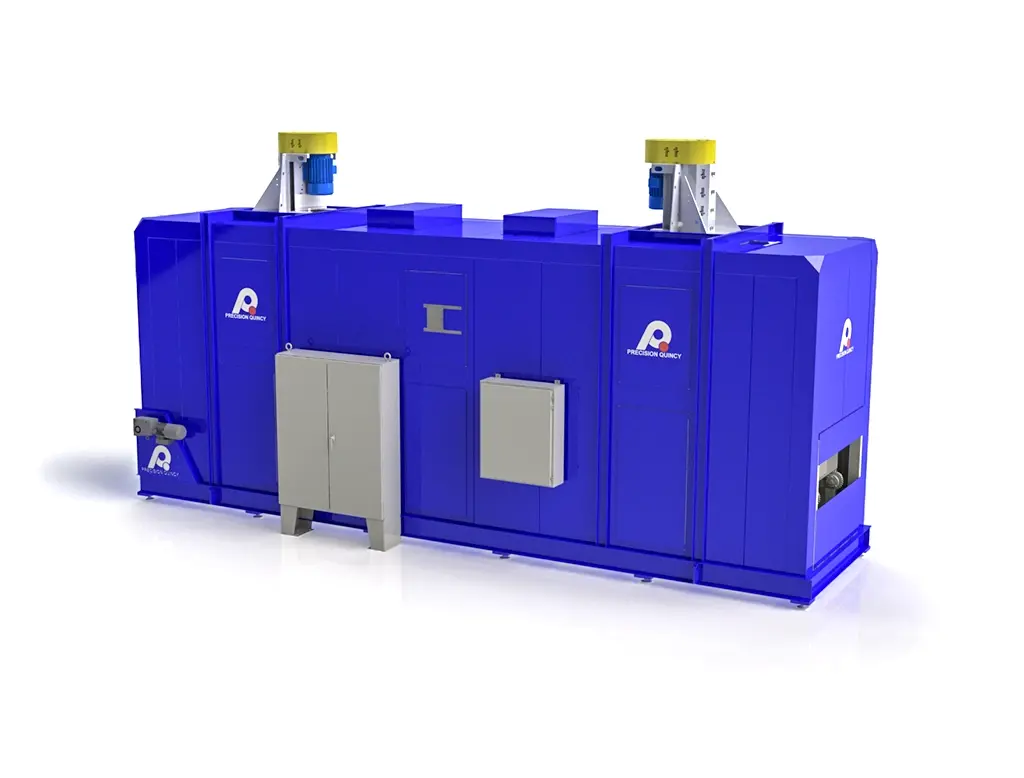
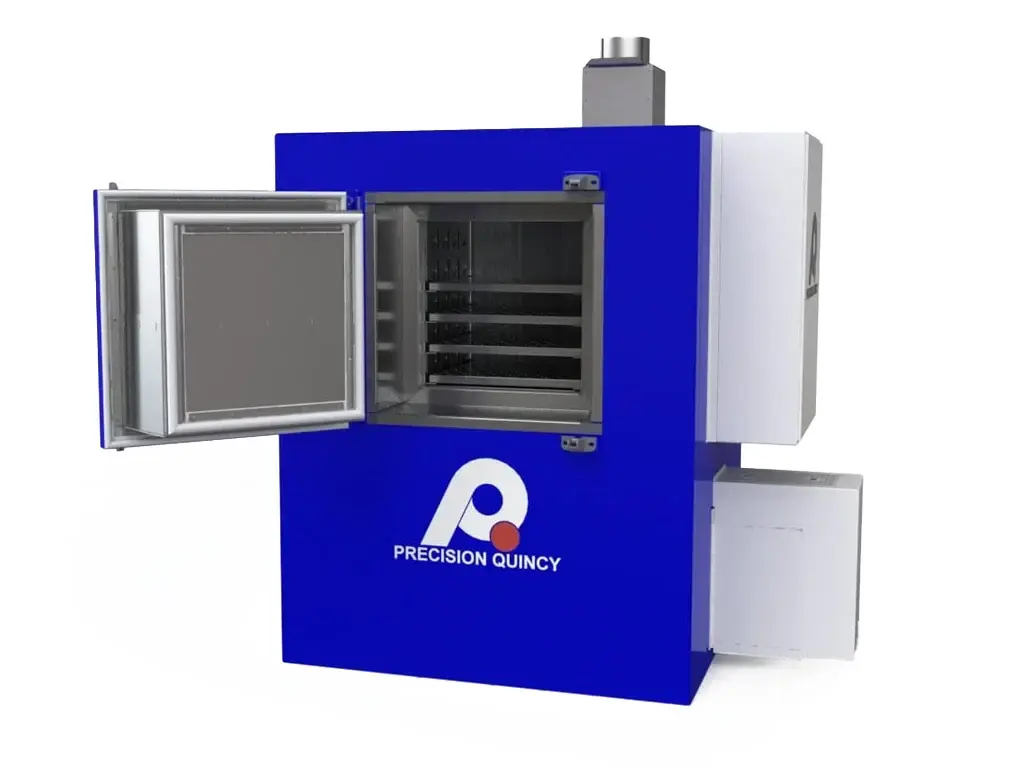
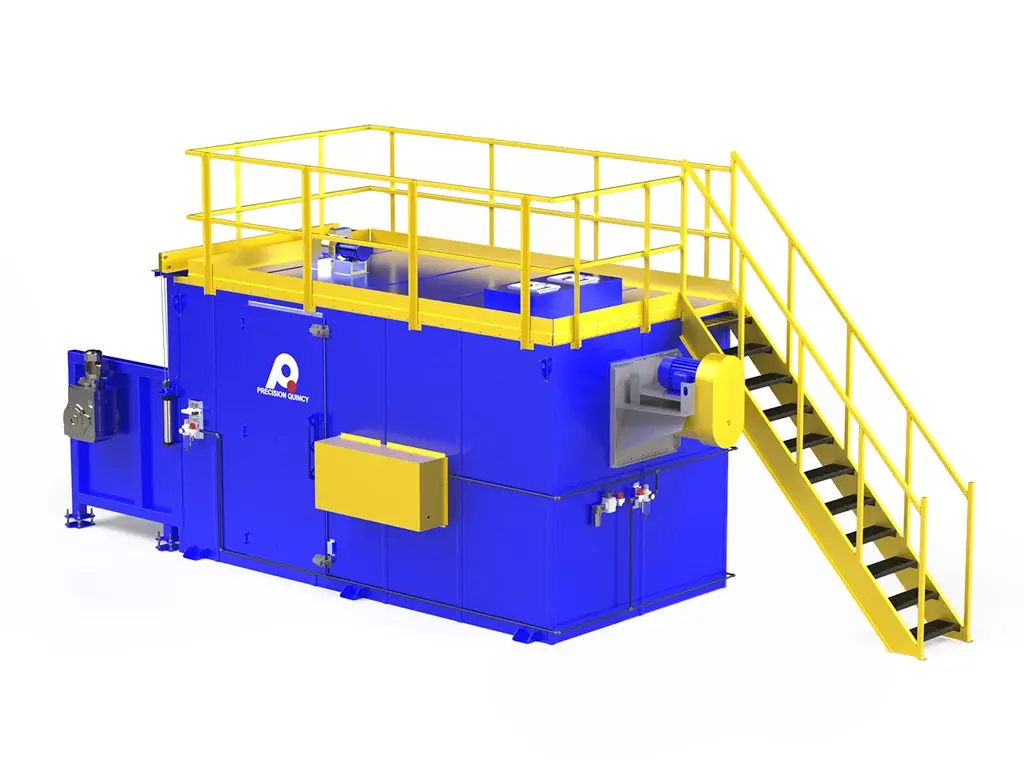
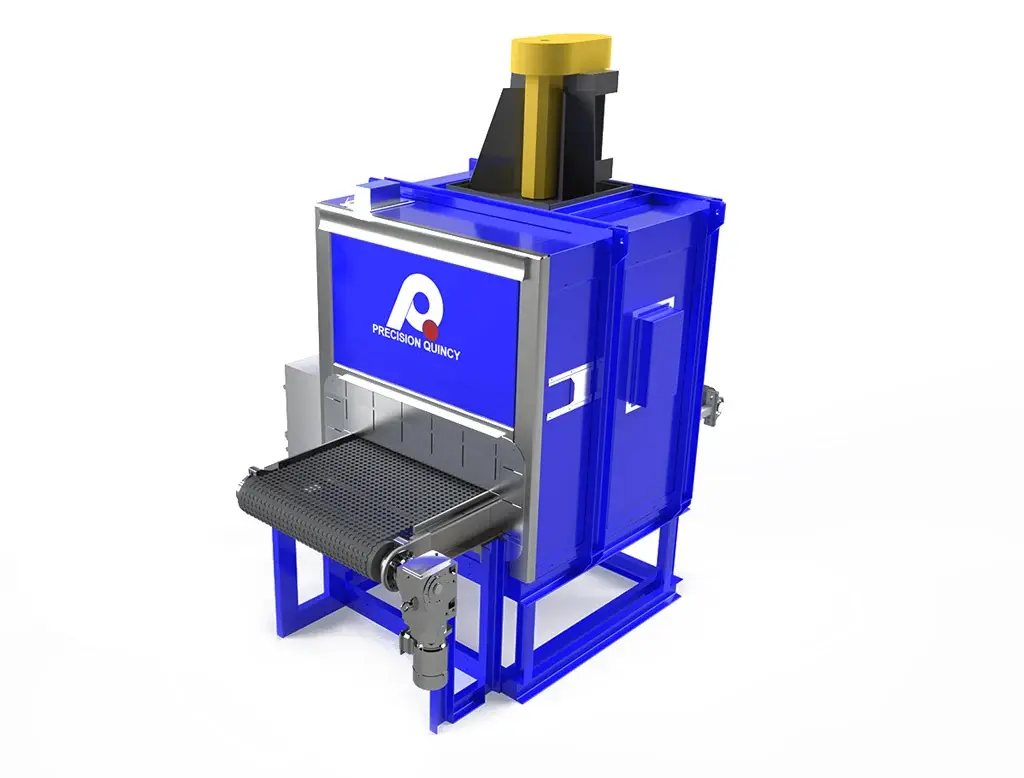
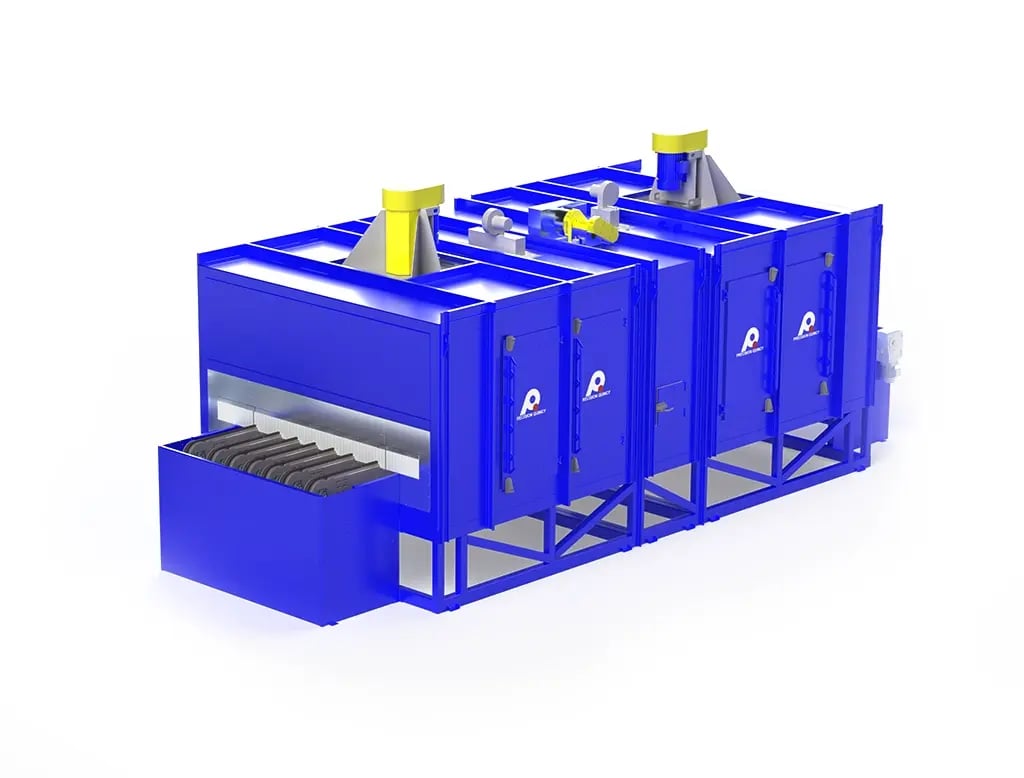
Custom Heat-Treat Ovens Engineered for Process-Critical Applications

Expert-Built. Shop-Tested. Field-Ready.

Heat-Treating is About Control, Not Heat

Too often, industrial oven suppliers prioritize quick-ship solutions over customers’ process requirements. That minimizes the importance of controlling time at temperature, thermal uniformity, and atmosphere composition, potentially compromising the metallurgical outcomes your operation depends on.

At Precision Quincy, custom means collaborative engineering. We begin with your process specifications: alloy grades, transformation requirements, and cycle time constraints. Our experts then build heat-treat systems that deliver repeatable results within the documented tolerances.

Your materials perform to specification. Your compliance documentation stands up to audit. No surprises, no rework, no metallurgical failures in process-critical applications.
Heat_Treatment

How We Engineer Process Integrity

Precision Quincy systems are specification-driven, not catalog-matched. We document your process requirements, model thermal performance, and validate control sequences before fabrication. Every chamber, airflow path, and control algorithm is engineered around these core principles:

Thermal uniformity

Provides consistent heat distribution across the qualified load envelope, validated per AMS 2750 survey procedures
Via PLC-based control logic maintains identical time-temperature profiles across production runs with full data logging

Through industrial-grade components and proven thermal layouts that withstand 24/7 operation cycles

By design, with every build meeting NFPA 86, AMS 2750, and CQI-9 process control standards from initial engineering

Supported by strategic access points, diagnostic interfaces, and modular assemblies that simplify calibration, thermocouple validation, and preventive service

iStock-502613498

Frequently Asked Questions

What’s the purpose of heat treating?
What’s the difference between continuous and batch heat treating?
Which materials can be heat treated?
What are the most common types of heat treatment processes?
How critical is temperature control during heat treatment?
How long does a typical heat treatment cycle take?